
Does Your Air Conditioner Need a Freon Recharge? What to Know First
Low refrigerant can be a sign of a leak or another system problem. Learn what to check safely and when an AC refrigerant evaluation may help.
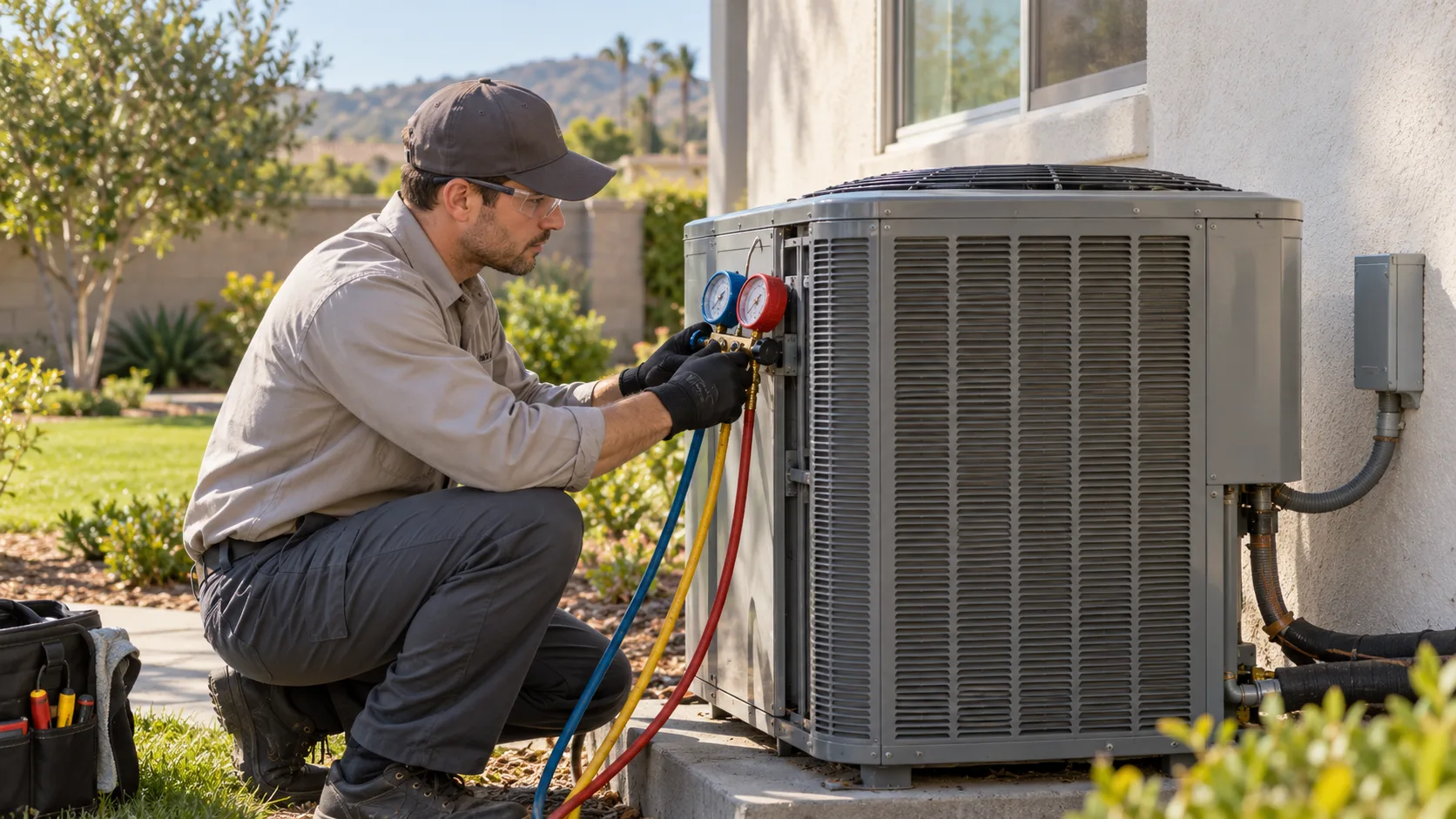
When an air conditioner stops cooling properly, many homeowners assume it needs a Freon recharge.
Freon is a common term people use for AC refrigerant. But adding refrigerant is not always the first or only step. The system should be checked to find out why the cooling has changed.
Does an air conditioner normally use refrigerant?
An air conditioner is designed to circulate refrigerant through a closed system. It should not normally need regular refills.
If the refrigerant level is low, possible causes may include:
- A leak
- A damaged connection
- A previous charging problem
- Another issue affecting the cooling system
Adding more refrigerant without checking the cause may only provide a temporary improvement.
Freon is also a trademark name that has been used for different refrigerants. It is not the name for every refrigerant used in modern air conditioners. The correct type depends on the equipment.
Signs your air conditioner may need a refrigerant check
Some signs can include:
- The air from the vents is not as cool as it should be
- The air conditioner runs for a long time
- The unit struggles to reach the thermostat setting
- One room stays warmer than the rest of the building
- Ice forms on the refrigerant line or indoor coil
- Cooling has slowly become weaker
- Hissing or bubbling sounds come from near the equipment
These signs do not prove that refrigerant is the problem.
A dirty filter, blocked return, dirty coil, thermostat problem, electrical issue, or worn part can create similar symptoms. One warm vent or room does not tell you the full cause by itself.
Why a recharge may not solve the problem
If the air conditioner has a refrigerant leak, the added refrigerant may leave the system again.
The EPA recommends investigating the reason for low refrigerant instead of treating the unit as if it only needs regular top-offs. A technician may check the filter, airflow, coils, refrigerant lines, connections, equipment information, and cooling performance before recommending any work.
Depending on what is found, the next step may involve:
- Repairing a leak
- Correcting an airflow problem
- Replacing a damaged part
- Adding the correct refrigerant after the system has been checked
The right repair depends on the condition of the equipment and the cause of the problem.
What about older air conditioners?
Some older air conditioners use R-22, also known as HCFC-22.
The available service options depend on the equipment, the refrigerant it was designed to use, and the condition of the unit. An older air conditioner does not automatically need to be replaced, but its refrigerant type should be confirmed before work begins.
A technician should be able to explain what refrigerant the unit uses and what options are available.
What can you check safely?
Before requesting service, you can:
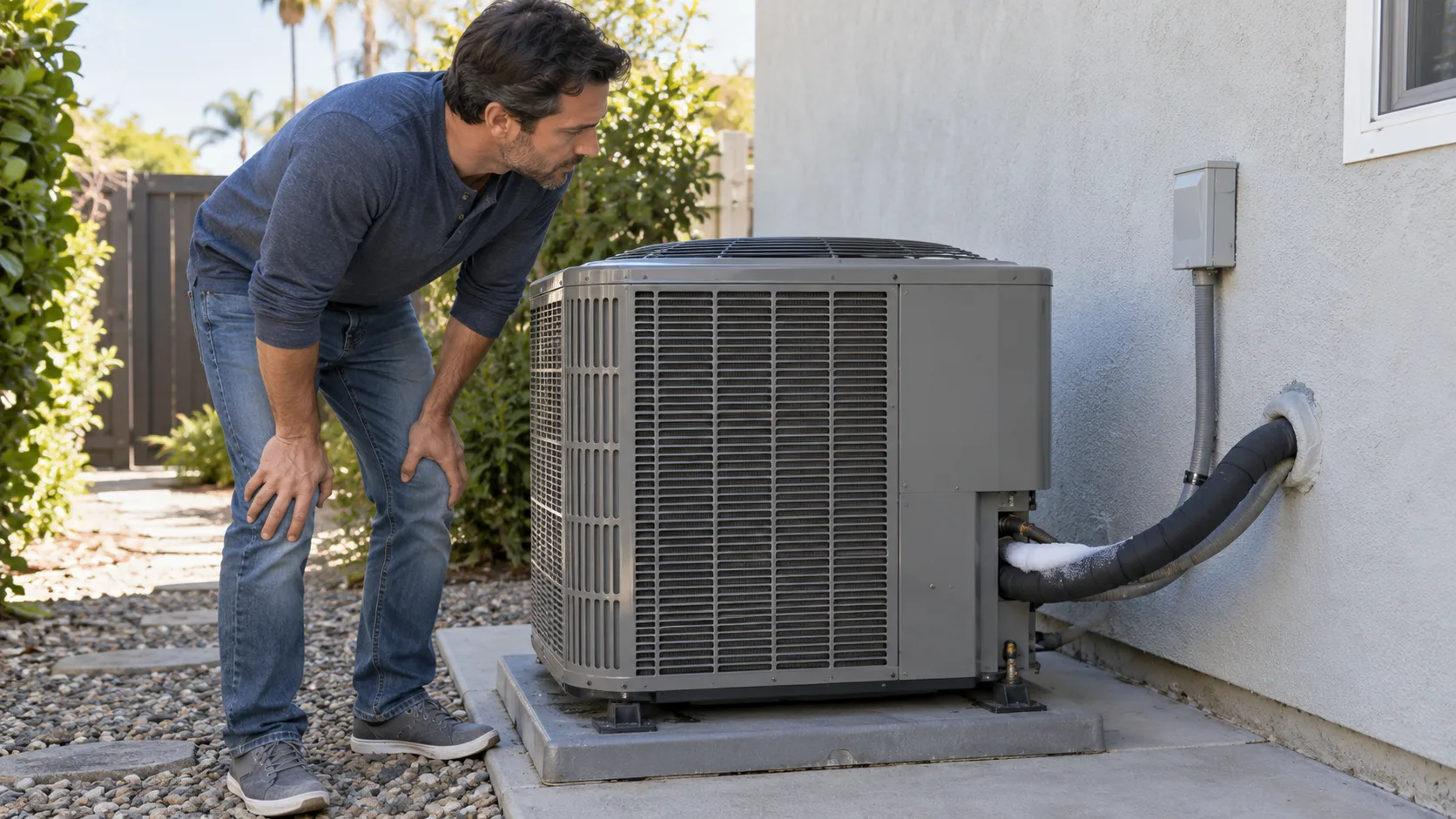
- Confirm that the thermostat is set to cooling.
- Check whether the filter is dirty.
- Make sure supply vents and return grilles are not blocked.
- Look for ice around the indoor coil or refrigerant line.
- Note whether the problem affects the whole building or only one area.
If you see ice, turn the cooling system off and let it thaw. Do not scrape or break the ice with tools.
Do not open equipment panels, handle refrigerant, or try to add refrigerant yourself. Refrigerant service is regulated, and technicians who work on equipment that may release refrigerant must meet EPA Section 608 certification requirements.
When professional help makes sense
A service visit may be useful when the air conditioner runs constantly, cooling has become uneven, ice keeps forming, or the same problem returns.
For a homeowner, an evaluation can help separate a refrigerant concern from a filter, airflow, thermostat, or equipment problem. For a small office, shop, or rental property, finding the cause first can help the owner decide what work is actually needed.
Heating and Cooling Matters is based in Riverside and serves homeowners and small businesses in Riverside, San Bernardino, Orange, Los Angeles, and San Diego counties.
You can learn more about AC refrigerant recharge, review AC repair options, or request an HVAC service visit to find out what your air conditioner needs.
Have an HVAC question about your home?
Heating and Cooling Matters can help you understand what your system is doing and what options may make sense before work is approved.
Related articles
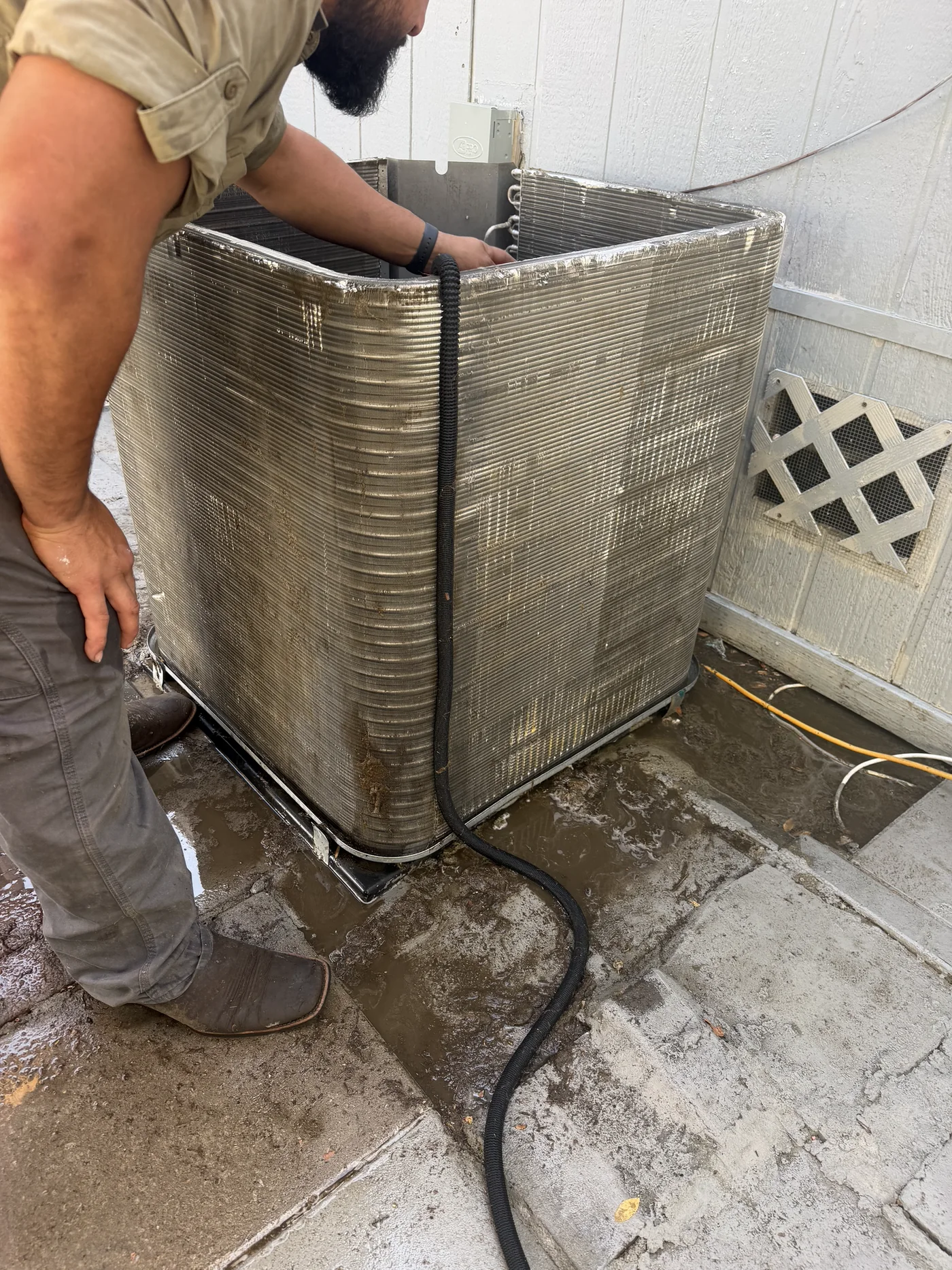
What Happens During an AC Tune-Up?
See what an AC tune-up may include, when to schedule maintenance, and safe checks to try at home before calling for service.
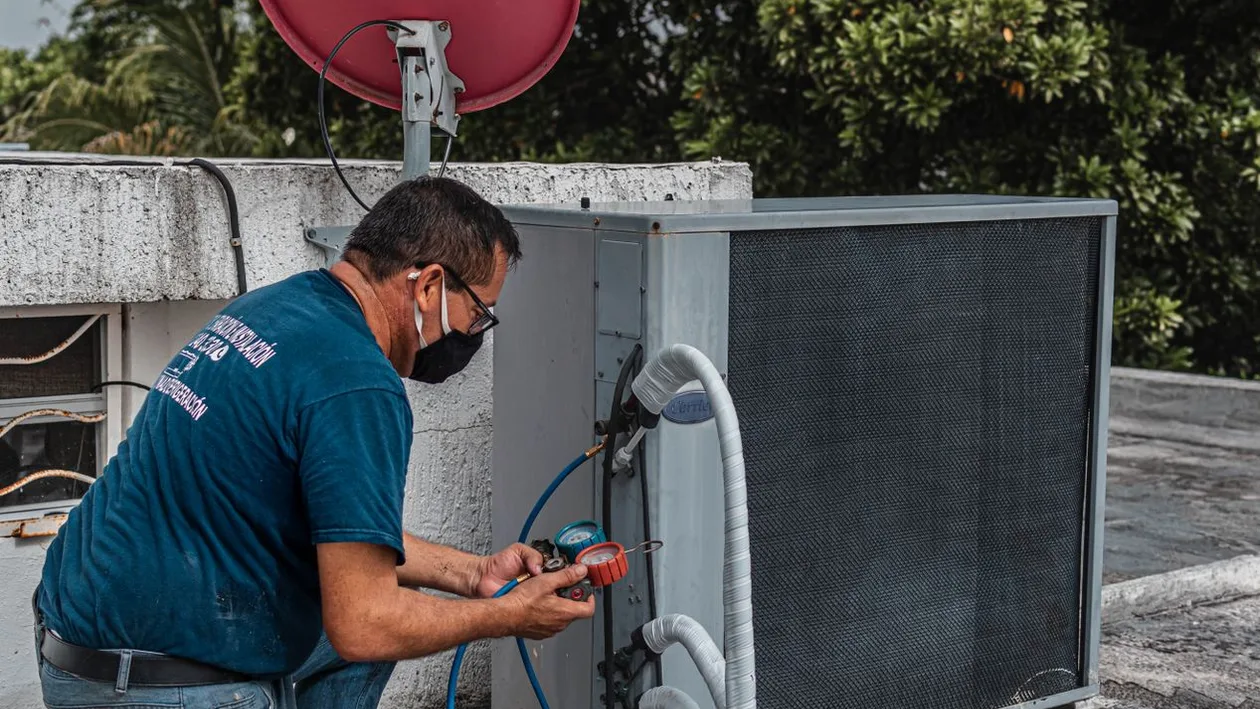
Why Did My AC Stop Working? Common AC Repair Problems
Warm air, weak airflow, ice, water leaks, or a quiet outdoor unit can point to different AC problems. Learn what you can safely check and when it is time for repair.