Heating and Cooling Matters logo
Heating and Cooling
Matters

AC Refrigerant Recharge in Riverside, CA

Low refrigerant can keep an AC from cooling the way it should, but adding more is not always the complete solution. The system should be checked to confirm the refrigerant level and look for the reason it is low before a recharge is recommended.

Heating and Cooling Matters provides refrigerant checks and recharge service from Riverside throughout the Inland Empire and surrounding Southern California communities. Homeowners and small businesses receive an explanation of what the inspection shows before deciding how to move forward.

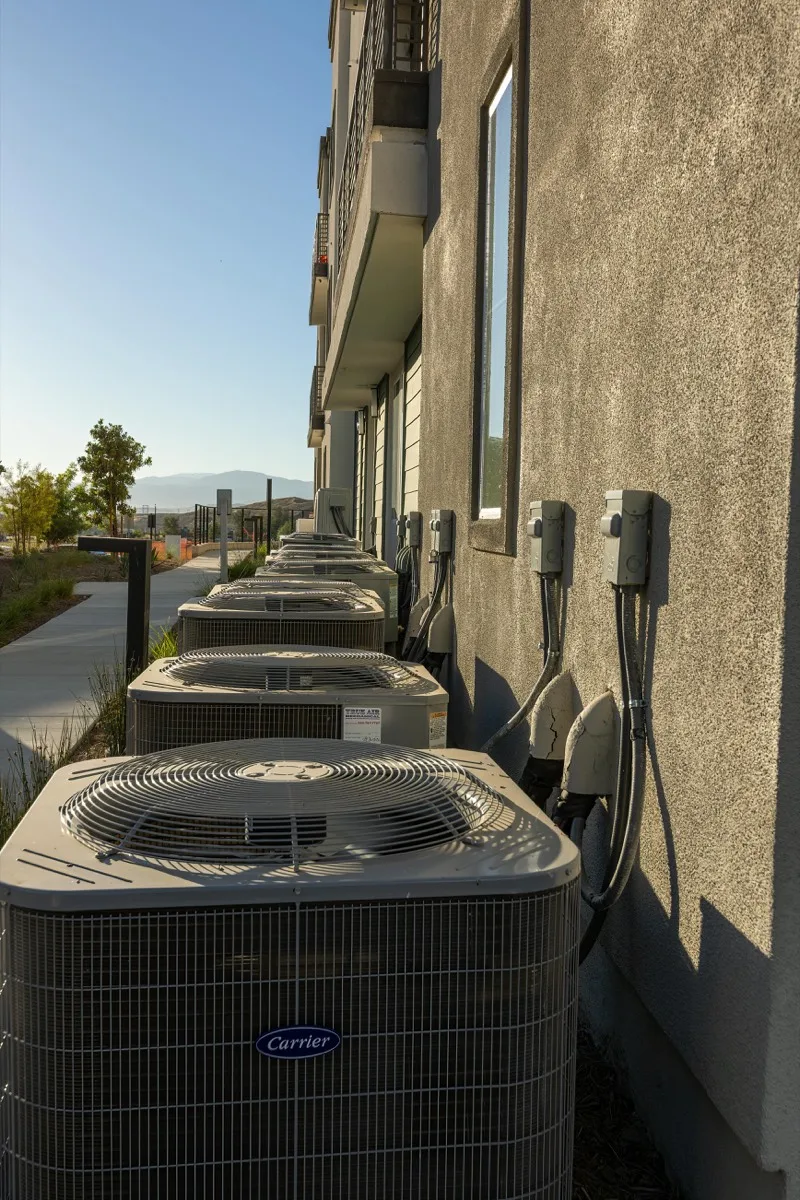
Outdoor air conditioning condenser units

What are the signs of low refrigerant?

Common signs can include an air conditioner running without cooling well, longer cooling cycles, ice on visible refrigerant lines or coils, hissing or bubbling sounds, uneven cooling, and changes in system performance.

These symptoms do not confirm low refrigerant by themselves. Airflow restrictions, electrical issues, thermostat problems, dirty coils, and aging equipment can create similar cooling problems. Testing can help determine what is actually happening.

AC running without cooling well

Longer cooling cycles

Ice on refrigerant lines or coils

Hissing or bubbling sounds

Uneven cooling from room to room

Noticeable changes in system performance

Does an AC use up refrigerant?

An AC does not normally use up refrigerant. Refrigerant moves through a closed system and should stay inside that system while the equipment operates.

If the level is low, it may indicate a leak. It may also mean the system was charged incorrectly during earlier work. The cause is not known until the system is checked.

This is why refrigerant service should start with testing, not guesswork. If the AC is not cooling, an inspection can show whether refrigerant is part of the problem or whether another issue needs attention first.

What is checked before refrigerant is added?

A technician may check the equipment, airflow, coils, refrigerant lines, and system performance before recommending an AC recharge service. The goal is to understand why the system is not cooling correctly.

Refrigerant requirements vary by equipment. The system should be evaluated before any refrigerant is added, and the findings should be explained in plain language.

System performance

Airflow through the equipment

Indoor and outdoor coils

Refrigerant lines and connections

Signs that a leak may be present

Refrigerant levels

Equipment requirements

Is a recharge enough if there is a leak?

Adding refrigerant may not solve the full problem if the system has a leak. It may help the system operate for a time, but the correct next step depends on what testing shows.

Some leaks may be repairable. In other cases, the age, condition, and equipment requirements may affect which options are available. A low reading does not mean the system automatically needs to be replaced.

The important part is understanding the findings before approving work. Heating and Cooling Matters can explain whether a recharge, leak repair, or another AC repair option makes sense based on the inspection.

A separate problem may be causing the cooling issue.

Warm air and long run times can also come from airflow, control, electrical, coil, or equipment problems. If refrigerant is not the cause, a broader AC inspection can help identify the issue.

Learn about AC repair

What if the AC system is older?

Some older AC systems may use refrigerants that are less commonly available. That can affect the options for refrigerant service, repair, or replacement planning.

A technician can identify what the equipment requires and explain the available options. The decision should consider the system condition, the testing results, and what is practical for the property.

What happens during a refrigerant service visit?

A refrigerant service visit starts with what you have noticed and moves into testing. The visit does not always end with a recharge. The next step depends on what the system shows.

  1. 1

    Listen to what you have noticed.

  2. 2

    Inspect the system and airflow.

  3. 3

    Test the system.

  4. 4

    Check for signs that refrigerant may be low.

  5. 5

    Explain what the testing shows.

  6. 6

    Review the available options and pricing.

  7. 7

    Begin work only after you approve it.

A Riverside HVAC company that explains what the testing shows

Heating and Cooling Matters is a family-owned HVAC company operated by brothers Felipe and Alfonso. The company is based in Riverside and serves homeowners and small businesses throughout the Inland Empire and surrounding Southern California communities.

The team brings 22 years of combined HVAC experience, is licensed, insured, and bonded, and speaks English and Spanish. Findings and options are explained before work begins.

Family owned

Operated by brothers Felipe and Alfonso

Based in Riverside, California

22 years of combined HVAC experience

Licensed, insured, and bonded

CA license #1137714

English and Spanish service

Residential and light commercial service

Learn about the companyExplore all HVAC services

Common questions about refrigerant recharge

These answers are general. For more heating and cooling questions, visit the FAQ page.

Does an AC use up refrigerant?

An AC does not normally use up refrigerant like fuel. Refrigerant moves through a closed system, so a low level may indicate a leak, an earlier charging issue, or another condition that needs testing before the cause is known.

What are the signs of low AC refrigerant?

Common signs of low AC refrigerant can include weak cooling, longer run times, ice on the coil or refrigerant lines, hissing sounds, and uneven cooling. These symptoms can also come from airflow, electrical, thermostat, coil, or equipment problems, so they do not confirm the cause on their own.

Does low refrigerant always mean there is a leak?

Low refrigerant often points to a possible leak, but it does not prove one by itself. Testing can help determine whether there is a leak, an incorrect previous charge, or another issue affecting system performance.

Can an AC be recharged without repairing a leak?

An AC may be recharged only after the system is checked and the available options are explained. If a leak is present, adding refrigerant may not solve the full problem, and the right next step depends on what the inspection shows.

How long should an AC refrigerant recharge last?

A refrigerant recharge should not be needed repeatedly on a properly sealed system. If the level drops again, the system may have a leak or another problem that should be checked rather than treated as normal maintenance.

Should I turn off my AC if the coils are frozen?

Yes, turning off the AC is a good step if the coils are frozen. Ice can be connected to low refrigerant, restricted airflow, or other system problems, and the system should be checked before it keeps running.

How much does an AC refrigerant recharge cost?

The cost of an AC refrigerant recharge depends on the refrigerant required by the equipment, the amount needed, the testing involved, whether a leak or repair is found, and the condition of the system. Pricing should be explained before work is approved.

Not sure if refrigerant is part of the problem?

If your AC is not cooling the way it should, tell us what you have noticed. We can inspect the system, explain what the testing shows, and review the available options with you.