
Why Heating Maintenance Matters Before Cooler Weather
Learn why heating maintenance before cooler weather can help identify airflow, thermostat, safety, and repair concerns before you depend on your heater.
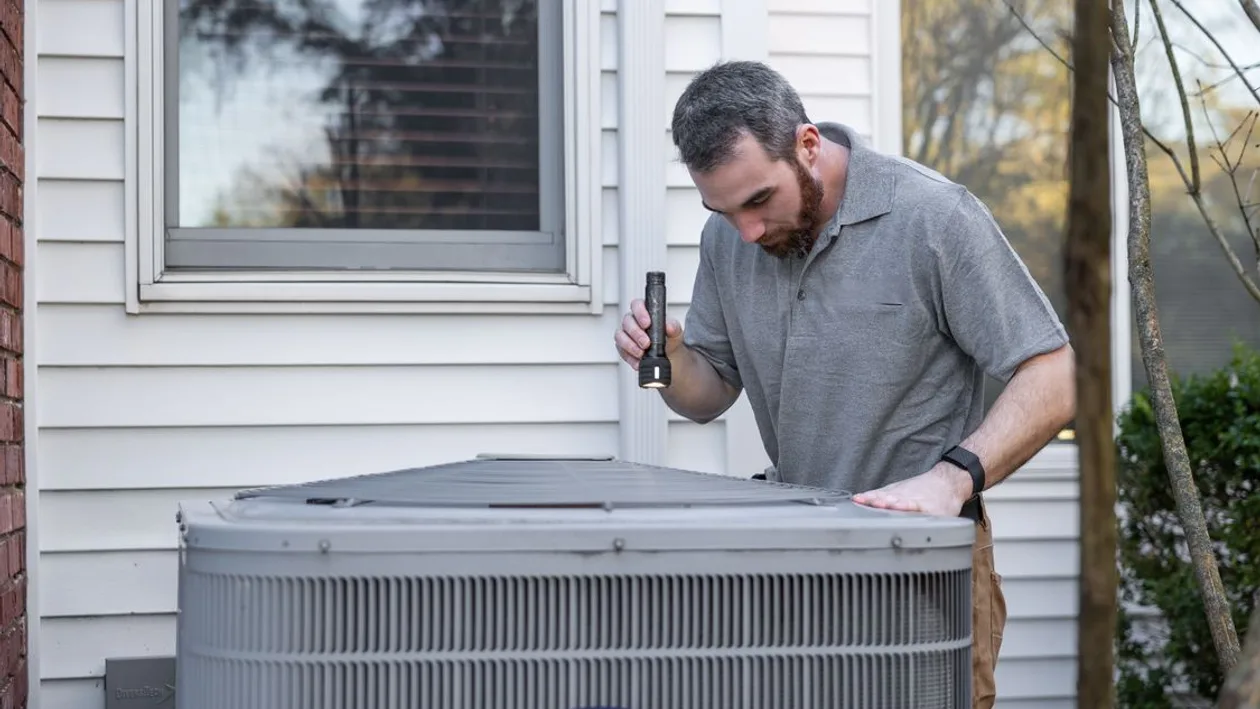
Southern California can go months without much need for the heater. Then one cold morning arrives, the thermostat is turned up, and the system has to work for the first time in a while.
That is when homeowners and small business owners may notice weak airflow, unusual sounds, uneven heating, or no heat at all.
Heating maintenance before cooler weather gives you time to find out what the system is doing before you depend on it for long hours.
What heating maintenance checks
A proper visit is more than changing a filter. Depending on the type of system, a technician may check:
- The air filter and airflow
- The thermostat and its settings
- The blower and other moving parts
- Electrical connections and controls
- Burner operation and venting on fuel-burning equipment
- Supply vents and return air movement
- Unusual sounds, smells, or signs of wear
These checks do not guarantee that a system will never need repair. They can help identify a condition that should be understood before the heater is used more often.
Simple checks you can make first
There are a few things a homeowner or business owner can safely look at:

- Make sure the thermostat is set to heat.
- Check whether the filter is dirty and replace it with the correct size if needed.
- Confirm that supply vents and return grilles are not blocked.
- Check whether the thermostat is following an old schedule or an unoccupied setting.
- Listen for repeated clicking, rattling, scraping, or other sounds that were not present before.
ENERGY STAR recommends checking filters regularly, with monthly checks being a common starting point for many systems. The right schedule can vary based on the equipment, filter, pets, dust, and building use.
Do not remove panels or work around gas connections, burners, wiring, or other parts that require training.
When to stop testing
If the heater does not start, shuts off repeatedly, produces very weak airflow, or causes a breaker to trip, it is better to stop testing it. If a breaker trips, do not keep resetting it. Leave it off and have the cause checked.
A carbon monoxide alarm also needs immediate attention. Carbon monoxide cannot be seen or smelled, and fuel-burning appliances can be one possible source when equipment or venting has a problem.
A strong gas smell or burning smell is different. If you suspect a gas leak, leave the area and do not use switches, electronics, or phones in that area before leaving. Contact the proper gas or emergency service from a safe location. If you notice a burning smell without a suspected gas leak, turn the system off if you can do so safely and arrange service.
Why check before the first cold stretch?
The main benefit is time. If the heater behaves differently, you can understand the issue before the building depends on it for several hours.
For a home, that may mean avoiding a cold bedroom or living area. For a small office or shop, it may mean finding an airflow or thermostat problem before employees or customers notice uneven temperatures.
Heating and Cooling Matters is based in Riverside and serves homeowners and small businesses in Riverside, San Bernardino, Orange, Los Angeles, and San Diego counties.
If your system is acting differently, you can learn more about heating maintenance, review heating repair, or request an HVAC service visit to find out what is happening before deciding on the next step.
Have an HVAC question about your home?
Heating and Cooling Matters can help you understand what your system is doing and what options may make sense before work is approved.
Related articles
What Happens During an AC Tune-Up?
See what an AC tune-up may include, when to schedule maintenance, and safe checks to try at home before calling for service.